It’s Financial Clarity
Receipts are strange little things.
They’re easy to ignore. Easy to lose. Easy to underestimate.
One ends up in your wallet. Another sits in your inbox. A few live in your car’s cup holder. Some disappear completely. Yet every single one represents money that left your account.
That part matters.
Most people don’t have a real system for managing receipts. They have a loose habit. A mental note. An intention to “organize later.”
Later usually never shows up.
This is where a structured ReceiptBox changes the experience entirely. Not in a complicated, accountant-style way. Just in a grounded, everyday way that makes money feel less chaotic.
Because once you create a consistent Receipts Space, your relationship with spending starts to shift.
And that shift builds confidence.
The Real Issue Isn’t Overspending — It’s Disconnection
Ask someone what they spend in a typical week.
You’ll likely get a rough guess.
Not exact. Not detailed. Just an estimate.
The problem isn’t that people are reckless. It’s that spending happens in small increments. Coffee here. Fuel there. A quick online order late at night. None of it feels significant in isolation.
But isolation hides patterns.
Without a reliable ReceiptBox, transactions blur together. You see your bank balance, but you don’t clearly see behavior.
When receipts live inside an organized Receipts Space, that blur disappears. You don’t need to obsess over numbers. You just need visibility.
Visibility naturally encourages better decisions.
Why “I’ll lmburse Myself Later” Rarely Works
If you’ve ever covered an expense for work, a side hustle, or even a friend, you know how this goes.
You plan to lmburse yourself.
But the receipt gets misplaced.
You forget the exact total.
You’re unsure whether it was personal or business.
Time passes.
Suddenly it feels awkward to bring up.
That hesitation leads to lost money. Not because you overspent, but because tracking wasn’t consistent.
When you use a dedicated ReceiptBox, reimbursement becomes straightforward. Every expense is recorded clearly, with context. No second-guessing. No reconstructing from memory.
You don’t chase paperwork. You simply act.
A Receipts Space That Actually Works
Let’s be honest. Many people technically “store” receipts.
They’re in email folders.
They’re screenshots on a phone.
They’re stacked in a drawer.
But scattered storage isn’t the same as an organized Receipts Space.
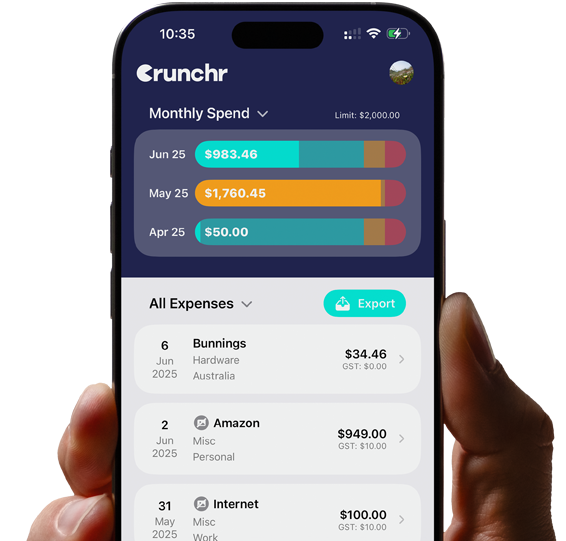
A proper ReceiptBox pulls everything into one searchable, structured location. Paper receipts get snapped and uploaded. Digital receipts get saved intentionally. Everything lives together.
The benefit isn’t just neatness. It’s access.
You can search by date.
Sort by category.
Separate business from personal.
Review weekly totals quickly.
That’s where simplicity meets power.
The Slow Financial Drain No One Notices
Disorganized receipt tracking doesn’t feel expensive. But it quietly is.
Missed deductions.
Unclaimed reimbursements.
Duplicate purchases.
Forgotten subscriptions.
Individually, these seem small. Over a year, they add up.
When your Receipts Space is inconsistent, you operate from memory. And memory isn’t precise.
Consistency removes that leak.
Paper Receipts Aren’t Built for the Long Term
Thermal paper fades. That’s not an opinion — it’s chemistry.
Leave a receipt in a hot car for a few months and it becomes unreadable. No proof. No backup.
At the same time, retailers are moving toward digital confirmations. Email receipts, app-based histories, QR codes. The world is already transitioning away from paper.
But digital alone doesn’t solve the issue.
If receipts sit unorganized in your inbox, they’re just another version of clutter.
A real ReceiptBox centralizes both paper and digital into one functioning Receipts Space.
That’s the difference.
The Power of Logging in the Moment
There’s something subtle about logging an expense right away.
It creates a pause.
You see the amount.
You assign a category.
You acknowledge the transaction.
It takes seconds. But that micro-action builds awareness.
Over time, those small moments add up. You start recognizing patterns without forcing it.
You’re not restricting yourself. You’re simply staying informed.
And informed decisions feel calmer.
Households Need Shared Visibility
Money becomes more complex when it’s shared.
Multiple cards. Different spending habits. Overlapping responsibilities.
Without a centralized ReceiptBox, misunderstandings happen easily. People rely on memory or assumption.
A shared Receipts Space provides clarity.
Everyone sees the same data.
Reimbursements happen smoothly.
Conversations shift from “I think” to “Here’s what we spent.”
That shift reduces friction.
Financial transparency builds trust more than people realize.
For Entrepreneurs and Freelancers, It’s Essential
If you run a business — even a small one — receipt tracking isn’t optional.
Tax deductions depend on documentation.
Expense reports require proof.
Accountants need clarity.
Without an organized ReceiptBox, tax season becomes stressful. You end up piecing together months of expenses from scattered sources.
A structured Receipts Space eliminates that scramble.
You can filter business transactions instantly.
You can lmburse yourself without hesitation.
You can provide documentation quickly if requested.
It’s not about perfection. It’s about preparation.
Why People Resist Setting Up a System
There’s often quiet resistance around receipt tracking.
Some assume it’s time-consuming. Others worry it will feel restrictive.
But a ReceiptBox doesn’t need to be complex.
It doesn’t require spreadsheets or advanced formulas.
It requires consistency.
Snap. Categorize. Save.
That’s it.
The system only feels overwhelming when you imagine it being complicated.
In reality, simplicity keeps it sustainable.
Reimbursement Shouldn’t Feel Awkward
Have you ever hesitated to lmburse yourself because you weren’t 100% certain about the details?
Maybe you weren’t sure if you’d already claimed it. Maybe you didn’t have the receipt handy.
Uncertainty creates hesitation.
When every expense is stored clearly in your ReceiptBox, that uncertainty disappears.
You don’t over-explain. You don’t apologize. You simply reference the record.
Clarity replaces doubt.
Budgeting Becomes Real When Data Is Real
Many budgets fail because they’re built on estimates.
“I think we spend around this much.”
But when your Receipts Space holds actual transaction data, budgeting becomes grounded.
You see real averages.
You spot spending spikes.
You identify recurring costs.
That realism makes adjustments practical instead of emotional.
Data reduces guesswork.
Receipts Reveal Patterns You Didn’t Notice
Every receipt tells a small story.
A convenience purchase when you were tired.
An impulse buy during a stressful week.
A recurring subscription you forgot about.
When these sit scattered, the stories stay hidden.
When they’re centralized inside a ReceiptBox, patterns emerge naturally.
You don’t need to analyze deeply. Just reviewing your Receipts Space weekly can reveal trends you didn’t realize existed.
Awareness leads to adjustment without force.
Starting Fresh Is Completely Fine
If your current receipt situation feels messy, that’s normal.
You don’t need to reconstruct the past year.
Start today.
Log current expenses. Build consistency moving forward. Momentum matters more than history.
A clean Receipts Space going forward is more valuable than a perfect archive that never gets created.
The Environmental Side Effect
Reducing paper isn’t the primary reason to create a digital ReceiptBox, but it’s a benefit.
Less clutter.
Less waste.
Less fading ink stored in drawers.
Digital organization simplifies physical space as well.
And a clearer physical environment often supports a clearer mental one.
Financial Confidence Grows Quietly
When people imagine improving their finances, they picture dramatic changes — higher income, major investments, big savings goals.
But financial confidence usually develops in small, consistent actions.
Knowing exactly what you spent this week.
Being able to lmburse yourself quickly.
Not scrambling for documentation.
Feeling steady instead of surprised.
A consistent ReceiptBox supports all of that.
And over time, those small wins compound.
Five Years of Consistency
Think about five years of organized receipt tracking.
Every reimbursement captured.
Every deductible expense recorded.
Every category reviewed regularly.
That consistency could mean thousands recovered, fewer financial surprises, and more accurate planning.
It doesn’t require extreme discipline.
It requires repetition.
One receipt at a time.
It’s Not About Restriction
Some people avoid creating a Receipts Space because they fear it will make spending feel controlled.
But awareness isn’t restriction.
It’s choice.
Without data, spending runs on autopilot. With data, spending becomes intentional.
Intentional doesn’t mean cutting everything. It means aligning decisions with priorities.
That’s empowering, not limiting.
The Deeper Shift
On the surface, organizing receipts seems minor.
But underneath, it’s about ownership.
When you manage your ReceiptBox consistently, you own your financial narrative.
You don’t rely on memory.
You don’t scramble for proof.
You don’t avoid reimbursement conversations.
You act from clarity.
And clarity reduces stress more than most budgeting hacks ever will.
Final Reflection
A functional ReceiptBox isn’t about perfection or rigid tracking.
It’s about creating a Receipts Space that supports your real life.
It helps you lmburse yourself confidently.
It protects your deductions.
It removes friction from shared finances.
It reduces unnecessary mental clutter.
You don’t need complexity.
You need a habit.
Capture the receipt. Store it in one place. Review it briefly each week.
That’s the foundation.
Over time, that small practice builds something far more valuable than organization.
It builds confidence — the quiet kind that makes every financial decision feel steadier.
And that’s worth far more than a drawer full of fading paper.