Why Most People Still Get It Wrong
Receipts build up faster than you expect.
It starts small. A coffee on the way to work. Gas on the weekend. A quick online order you barely remember making. Nothing feels significant in the moment.
But give it a few days… then a few weeks.
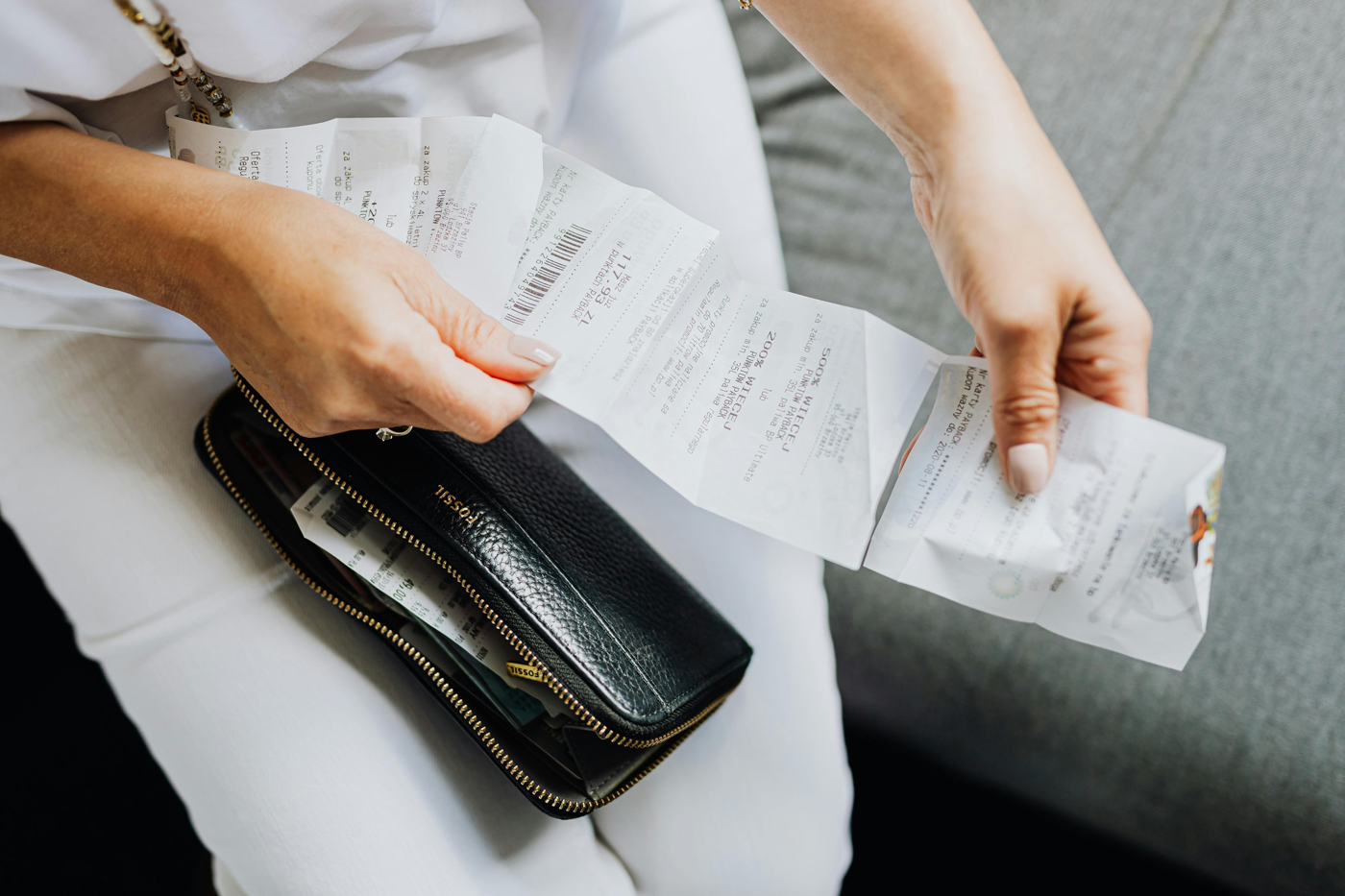
Now you’ve got emails sitting unread, paper receipts stuffed in your wallet, screenshots buried in your phone. It’s all there — just not in any kind of order.
And that’s where things start to drift.
Because most people don’t realize how much money quietly slips through the cracks when they’re not tracking it properly.
That’s where a receipt tracking app comes in.
Not as some complicated financial system. Not as something built only for accountants. Just a simple way to keep everything in one place and actually understand what’s going on.
But here’s the catch.
Not all apps are built the same.
Some are overloaded with features you’ll never use. Some feel outdated. Others promise automation but still expect you to do half the work.
So finding the best app for tracking receipts isn’t really about features.
It’s about finding something that fits into your life — without turning into another task you’ll eventually ignore.
Why Receipt Tracking Matters More Than You Think
Let’s be honest for a second.
Most people don’t track receipts because it feels unnecessary.
You check your bank balance. You scroll through transactions. That should be enough, right?
Not quite.
Because what gets missed is usually the small stuff.
And the small stuff adds up.
Think about it:
- That daily coffee you don’t think twice about
- Subscriptions you forgot you signed up for
- Small online purchases that feel insignificant
- Business expenses you never claim back
- Patterns you don’t even realize exist
Your bank feed shows numbers.
Receipts show context.
They tell you what you bought, why you bought it, and how often it’s happening.
And that’s where things shift.
Because once you see patterns clearly, it’s hard to ignore them.
The Real Problem: It’s Not Tracking — It’s Consistency
Here’s where most people get stuck.
It’s not that they don’t want to track receipts.
It’s that they can’t stick with it.
You’ve probably seen it before:
- Download an app
- Use it for a few days
- Feel motivated
- Slowly stop
- Forget it exists
It’s not laziness.
It’s friction.
If something feels like effort, it doesn’t last.
And most receipt tracking apps — even the good ones — still require too much input.
Too many steps. Too much thinking. Too easy to fall off.
That’s why the best app isn’t the most powerful one.
It’s the one you’ll actually keep using.
What Makes the Best App for Tracking Receipts?
Before jumping into options, it’s worth understanding what actually matters.
Because flashy features don’t equal usefulness.
The best apps tend to do a few simple things really well — and then stay out of your way.
- Fast, Simple Capture
If it takes more than a few seconds, you won’t do it.
It’s that simple.
A good app lets you:
- Snap a photo instantly
- Upload receipts from your email
- Save things in the moment
No delays. No extra steps.
The easier it is, the more likely you’ll stick with it.
- Automatic Organization
Manually sorting receipts sounds fine… until you’re doing it every day.
A strong app handles this for you.
It should:
- Categorize expenses automatically
- Recognize common purchases
- Group things in a way that makes sense
You shouldn’t need to constantly manage it.
- Real Visibility Into Spending
This is where a lot of apps fall short.
They store receipts — but don’t actually show you anything useful.
The best tools help you see:
- Where your money is going
- What categories stand out
- What patterns are forming over time
Without this, it’s just storage.
- Simple Reporting
If you run a business or freelance, this becomes even more important.
You want:
- Clean summaries
- Exportable reports
- Something easy to share with an accountant
No digging. No confusion.
- Built for Real Life
This one matters more than anything else.
Some apps feel like they were built for finance professionals.
But most people just want something that works without needing a tutorial.
That means:
- A clean, simple interface
- No unnecessary jargon
- No complicated setup
If it feels natural, you’ll use it.
If it doesn’t, you won’t.
The Problem With Most Receipt Tracking Apps
Here’s where things get frustrating.
A lot of apps focus heavily on features… but miss how people actually behave.
They assume you’ll:
- Remember to upload every receipt
- Categorize everything perfectly
- Check reports regularly
But real life doesn’t work like that.
People forget.
They get busy.
They lose momentum.
So apps that rely on discipline tend to fail over time.
Not because they’re bad tools.
Because they don’t match how people actually use them.
Different Types of Receipt Tracking Apps
Not all apps are trying to solve the same problem.
Understanding the categories makes it easier to choose.
Basic Storage Apps
These are the simplest.
They let you:
- Take photos
- Store receipts
- Keep everything in one place
Good for basic record keeping.
But they don’t offer much beyond that.
Expense Tracking Apps
A step up.
They combine receipts with spending data.
You get:
- Categories
- Reports
- Some level of automation
Better — but often still disconnected from behavior.
Full Financial Apps
These try to do everything.
Budgets. Goals. Investments.
Receipt tracking becomes just one feature.
The downside?
They can feel overwhelming.
Behavior-Focused Apps
This is where things are heading.
These apps go beyond tracking.
They help you understand your habits.
You start to see:
- Why you spend the way you do
- Where patterns repeat
- What’s shifting over time
It’s less about managing money…
And more about understanding it.
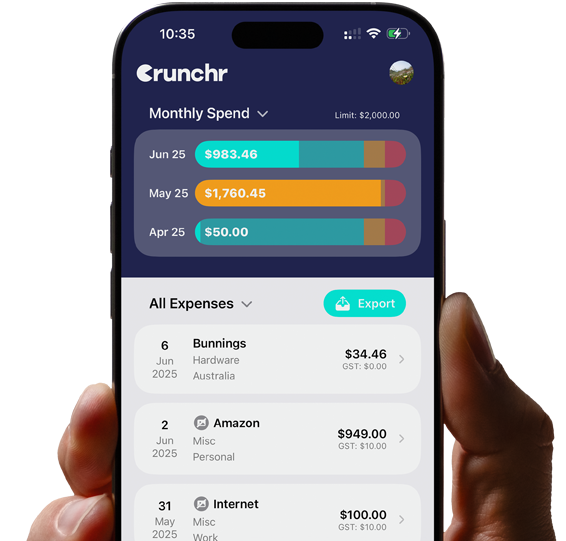
Why Crunchr Is Built Differently
Most apps ask you to track receipts.
Crunchr focuses on what happens after that.
Because tracking alone doesn’t change anything.
Understanding does.
It Goes Beyond Storage
Yes, you can:
- Upload receipts
- Capture expenses
- Keep everything organized
But that’s just the starting point.
Crunchr connects those receipts to your actual behavior.
You See the Story Behind the Spend
Instead of just numbers, you start to notice:
- Where your money consistently goes
- Patterns you didn’t realize existed
- Habits forming over time
It’s less about tracking…
And more about awareness.
It Doesn’t Overcomplicate Things
You don’t need to:
- Learn financial terms
- Build complex systems
- Spend hours managing data
You just use it.
And the insights build naturally.
It’s Built for Everyday People
Not accountants.
Not spreadsheet enthusiasts.
Just normal people trying to:
- Stay on top of their money
- Feel less stressed about spending
- Understand what’s actually happening
That difference matters.
What Makes an App Stick?
This is something most comparisons miss.
The biggest factor isn’t features.
It’s consistency.
And consistency comes down to a few things.
Speed
If it’s quick, you’ll use it.
If it’s slow, you won’t.
Clarity
If it makes sense immediately, it works.
If you have to think about it, it doesn’t.
Feedback
You need to see something useful from your effort.
Otherwise, there’s no reason to keep going.
How It Feels
This one’s subtle, but important.
A good app makes you feel:
- In control
- Aware
- Calm
A bad one makes you feel:
- Confused
- Guilty
- Overwhelmed
That difference matters more than any feature list.
Common Mistakes People Make
Even with the right app, a few habits can get in the way.
Thinking It’s Just for Taxes
Yes, receipts help at tax time.
But that’s not the real value.
The real value is understanding your day-to-day spending.
Trying to Be Perfect
You don’t need to track everything.
Just start.
Even partial tracking gives you insight.
Ignoring What You Collect
This is a big one.
People track receipts… then never look at them.
That’s like working out and never checking your progress.
Using the Wrong Tool
If it doesn’t fit your life, you won’t use it.
Simple as that.
How Receipt Tracking Changes Your Behavior
This is where things get interesting.
Because once you start tracking consistently, something shifts.
You Start Noticing Patterns
Small things stand out.
- Daily habits
- Impulse purchases
- Late-night spending
Things you didn’t realize were happening.
You Pause More Often
Not every time.
But more than before.
Because now you’re aware.
You Make Better Decisions Naturally
This isn’t about strict budgets.
It’s more subtle than that.
You adjust.
You rethink.
You choose differently.
You Feel More in Control
And that’s the real goal.
Not restriction.
Not guilt.
Just clarity.
Choosing the Right App for You
There’s no single perfect app.
But there is a right one for your lifestyle.
Ask yourself:
- Do I want simple storage or real insights?
- Do I prefer automation or control?
- Do I want something basic or something more advanced?
Be honest about how you’ll actually use it.
That’s what matters most.
The Future of Receipt Tracking
This space is evolving quickly.
It’s moving away from:
- Manual entry
- Static reports
- Complex systems
And toward:
- Automation
- Real-time insights
- Behavior awareness
The best apps won’t just track receipts.
They’ll help people understand themselves.
A Simple Way to Start
If you’ve been putting this off, don’t overthink it.
Start small:
- Track a few receipts each day
- Look at your spending once a week
- Focus on patterns, not perfection
That’s enough.
No complicated system.
No pressure.
Just awareness.
And from there… things tend to shift on their own.
Summary
The best app for tracking receipts isn’t about features.
It’s about what happens after you track them.
Do you learn anything?
Do you notice patterns?
Do you feel more in control?
If not, the app isn’t doing enough.
Because receipts aren’t just records.
They’re signals.
And once you start paying attention to those signals, everything changes.