Here’s Why My Receipt Box Should Be Digital
Let’s call it out.
Most people don’t have a receipt system.
They have a pile.
A wallet stuffed with faded slips. A drawer in the kitchen. A random envelope labeled “tax stuff.” Maybe the car console. Maybe the bottom of a bag. It’s scattered. It’s messy. And somehow, it feels normal.
But here’s the thing.
We live in a digital world. We tap to pay. We order online. Subscriptions renew automatically. Yet receipt ticket storage still looks like it did twenty years ago.
That gap — between digital spending and paper tracking — creates blind spots. And blind spots quietly cost money.
This isn’t about being ultra-organized. It’s about clarity. And clarity changes behavior.
The Problem With Paper Receipts
Paper receipts were designed for a different time.
They fade.
They tear.
They disappear.
They get washed in jeans pockets.
And even when you keep them, they’re rarely sorted in a way that’s useful.
Traditional receipt ticket storage relies on physical memory:
“I’ll remember what this was for.”
“I’ll sort it later.”
“I’ll deal with it at tax time.”
Later usually turns into never.
And when you don’t consistently see your spending, you underestimate it. That’s human nature. Small purchases feel harmless in isolation. But when they add up quietly, they change the picture.
The issue isn’t the paper itself. It’s the disconnect.
My Receipt Box Shouldn’t Be a Shoebox
There’s something nostalgic about the phrase “My Receipt Box.”
It sounds responsible. Contained. Organized.
But for most people, that box — literal or figurative — is just delayed decision-making.
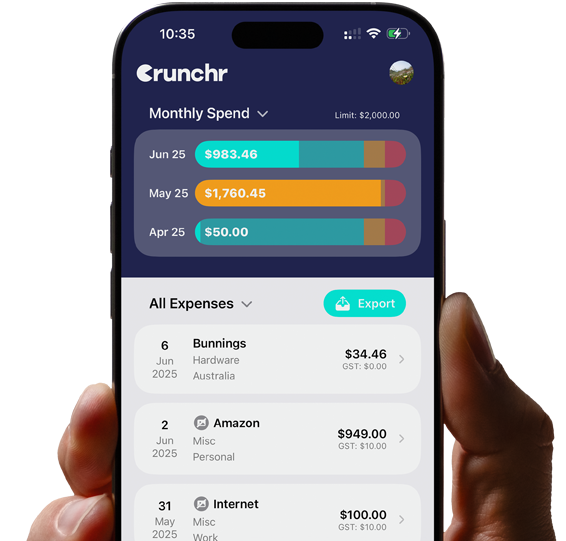
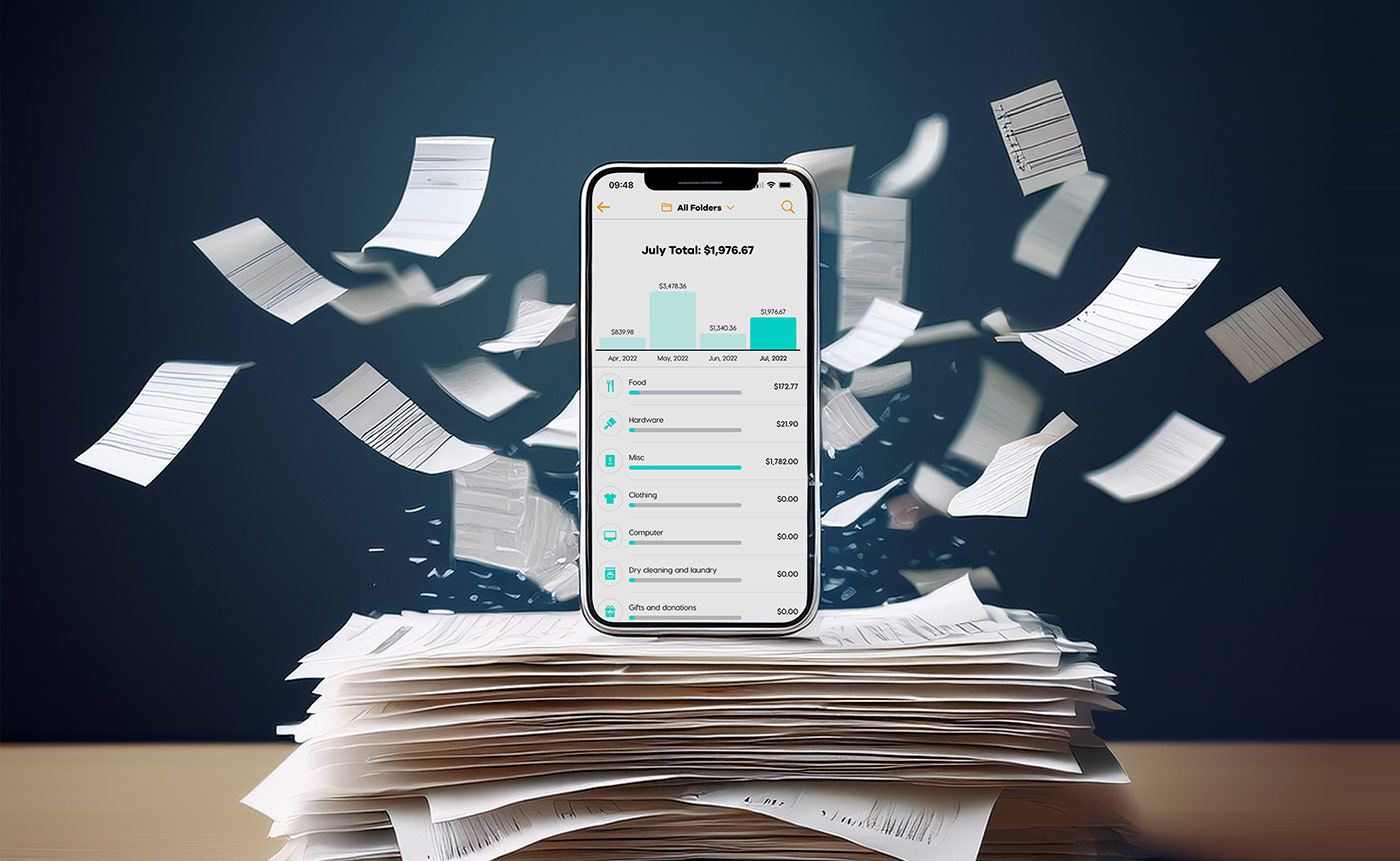
What if your My Receipt Box lived on your phone instead?
Not as random photos. Not mixed in your camera roll between screenshots and vacation pictures. But actually organized. Searchable. Categorized.
That’s the shift.
Digital receipt ticket storage isn’t about complexity. It’s about reducing friction. When logging a receipt takes seconds, you actually do it.
And when you actually do it, you start noticing patterns.
Patterns are where financial awareness begins.
Paperless Receipts Are Already the Default
Look at how you spend now.
Groceries.
Gas.
Streaming services.
Online shopping.
Ride shares.
A huge percentage of transactions already generate paperless receipts.
Retailers email them. Apps store them. Banks record them.
But here’s the catch.
Most people don’t manage digital receipts any better than paper ones. Emails pile up. Invoices get buried. Notifications are ignored.
So you end up with two messy systems instead of one.
Going paperless isn’t just about skipping printed receipts. It’s about creating one clean, reliable place for every transaction.
That’s where a digital My Receipt Box makes sense.
The Quiet Cost of Disorganized Receipts
No one thinks receipt ticket storage affects their finances.
But it does.
You forget deductions.
You miss return windows.
You overlook subscription creep.
You underestimate weekly spending.
It’s rarely dramatic. It’s subtle.
Maybe you spend $25 more per week than you think. That’s over $1,200 a year. And that’s just one small category.
When receipts aren’t captured consistently, you lose visibility. And without visibility, budgeting becomes guesswork.
Guesswork doesn’t build confidence.
Clarity does.
Active Logging vs Passive Tracking
A lot of financial tools rely entirely on automatic bank feeds.
Transactions appear. Categories get guessed. You scroll later.
That’s convenient. But it’s passive.
There’s something powerful about manually logging a receipt — even briefly. That small pause forces awareness. You see the number. You label it. You acknowledge it.
It’s not about being obsessive.
It’s about being present.
When your My Receipt Box requires small moments of engagement, you build stronger spending awareness. Over time, those micro-moments change behavior more than automation alone.
How to Build a Better Receipt Ticket Storage System
You don’t need a complicated system. Just consistency.
Here’s a simple structure that works.
1. Capture Immediately
Whether it’s a paper receipt or paperless receipt, log it close to the time of purchase. Delay creates friction. Friction creates avoidance.
2. Categorize Simply
Groceries. Dining. Fuel. Subscriptions. Business. Personal.
Don’t overthink categories. Clarity beats perfection.
3. Review Weekly
Five minutes. That’s it.
Open your My Receipt Box once a week and scan through it. Notice what stands out. No judgment. Just awareness.
4. Let Go of Paper
Once logged, physical copies usually aren’t necessary unless legally required. Trust your digital record.
Paper clutter drains mental energy more than people realize.
The Psychological Effect of Paperless Receipts
Paper feels disposable.
Digital feels permanent.
That difference matters.
When you know your transactions live in an organized My Receipt Box, you become more mindful. You start noticing patterns:
- Frequent small dining purchases
- Subscriptions you forgot about
- Weekend spending spikes
Paperless receipts remove the “out of sight, out of mind” problem.
And awareness isn’t about restriction. It’s about choice.
You can’t adjust what you don’t see.
For Small Business Owners, It’s Non-Negotiable
If you run a small business, receipt ticket storage isn’t optional. It’s operational.
Tax deductions.
Expense tracking.
Audit documentation.
Reimbursements.
A messy system becomes stressful fast.
Digital receipt ticket storage simplifies tax season. Instead of scrambling for documents, everything is searchable. Filter by date. By vendor. By category.
That reduces friction with accountants. It reduces anxiety. It reduces last-minute chaos.
And honestly, no one wants financial chaos in April.
Shared Households Need Shared Clarity
In families or shared living situations, spending overlaps.
One person buys groceries. Another pays utilities. Subscriptions multiply quietly.
If receipt ticket storage isn’t centralized, confusion creeps in.
A shared My Receipt Box creates transparency. Everyone sees the same data. Conversations shift from “I think we spend…” to “Here’s what we spend.”
That difference removes tension.
Clarity builds trust.
Digital Doesn’t Mean Complicated
There’s still resistance around paperless receipts. Some people assume digital equals difficult.
But modern tools are designed to be simple.
Logging a receipt can take under ten seconds. Snap. Categorize. Done.
Compare that to:
- Filing paper
- Sorting envelopes
- Adding totals manually
- Searching through drawers
Digital systems aren’t the complicated option anymore. They’re the streamlined one.
Budgeting Becomes Real When Receipts Are Real
Budgeting without accurate receipt ticket storage is like planning a road trip without checking your fuel gauge.
You can guess. But eventually you stall.
When your My Receipt Box is complete, budgeting becomes grounded in reality. You see average grocery costs. Dining habits. Subscription totals.
Then you adjust based on data, not hope.
Hope is emotional. Data is practical.
Practical systems last longer.
Receipts Reflect Habits
Receipts are more than numbers.
They show patterns. Comfort purchases. Convenience spending. Celebration moments.
When receipts are scattered, habits stay hidden.
When they’re organized — especially through paperless receipts — patterns become visible.
And visibility creates opportunity for change.
You don’t need extreme budgeting tactics. Often, small adjustments create the biggest long-term impact.
Start Simple. Start Now.
If your current receipt ticket storage system feels chaotic, don’t try to rebuild the past.
Start today.
Log this week’s transactions. Capture new receipts consistently. Build forward momentum.
Perfection isn’t required. Consistency is.
Digital systems allow you to reset without dragging around a year of paper clutter.
That’s freeing.
The Future Is Fully Paperless
Retail is shifting quickly.
More stores offer email-only receipts. Apps store transaction histories automatically. QR codes replace printed slips.
Paperless receipts aren’t a niche preference anymore. They’re becoming standard.
Adapting now means you’re aligning your habits with how money already moves.
And that alignment reduces friction long term.
Why This Is Bigger Than Organization
At surface level, receipt ticket storage sounds boring.
Administrative. Minor. Technical.
But underneath, it’s about control.
When you know where your money goes, you feel steadier. You make clearer decisions. You reduce financial anxiety.
Your My Receipt Box becomes more than storage. It becomes feedback.
Feedback builds awareness.
Awareness builds confidence.
Confidence builds stability.
And stability gives you options.
Not flashy options. Real ones.
A Five-Minute Weekly Reset
Here’s something simple you can try:
Once a week:
- Open your My Receipt Box.
- Log any missing paperless receipts.
- Scan categories quickly.
- Notice trends.
- Adjust next week slightly.
No spreadsheets required. No complicated formulas.
Just awareness.
Over time, those five-minute check-ins compound. You stop feeling surprised by your bank balance. You stop guessing.
You start knowing.
Final Thought
Receipt ticket storage isn’t exciting.
But it’s foundational.
Moving from random paper piles to organized paperless receipts changes how you relate to money. It shifts spending from unconscious to intentional.
And when your My Receipt Box becomes clear and structured, financial confidence grows quietly in the background.
It doesn’t happen overnight.
It happens receipt by receipt.
And that’s enough.