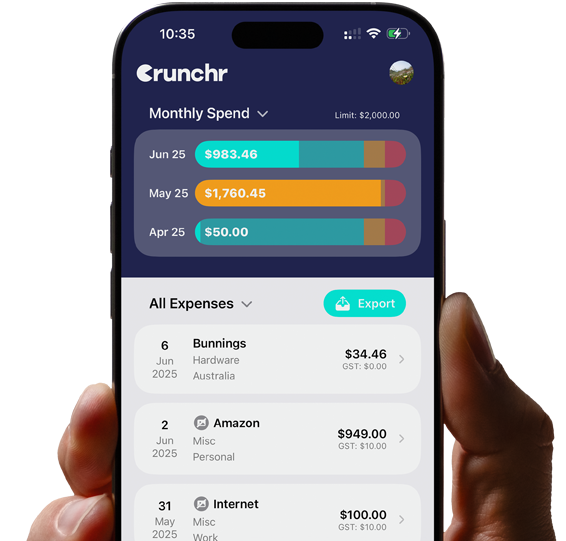
Receipt Management for Business. A practical guide for people who don’t love receipts—but still want their business to run smoothly.
Most people don’t start a business because they love dealing with receipts. If you’re anything like the people I’ve worked with—freelancers, tiny shops, solo operators—those scraps of paper probably cause more trouble than they solve. One disappears the moment you actually need it, another fades out, one gets crushed in the car somewhere, and there’s always that random receipt that sits in a wallet forever until it turns into fluff.
But here’s the truth nobody likes to admit:
Receipts tell the story of your business.
They’re proof of what happened, where money went, and what matters financially. As your business grows—even by a little—those receipts multiply like they’re running their own side hustle.
That’s where proper receipt management becomes essential. Not the stiff, corporate version. A simple, practical setup that makes your financial life easier and keeps tax time from feeling like a forensic investigation.
Let’s break it all down in a way that’s clear, useful, and easy to follow—no jargon, no fluff.
What Receipt Management Actually Means
“Receipt management” can sound like something pulled straight from a dry accounting course, but the idea is incredibly straightforward. You’re creating a home—a system—where all your business expenses land so you don’t waste time searching, guessing, or stressing later.
Here’s what that system usually involves:
- capturing any business expenses eg. coffee catch-ups, tools, apps, supplies, fuel, travel, materials etc.
- Storing digital receipts so the ink doesn’t fade.
- Sorting your spending into simple categories that make sense for your how your business runs eg. work—meals, gear, travel, client stuff, project bits, whatever you deal with.
- Backing it all up somewhere safe so you’re not relying on one phone or a stack of old papers.
- Lining each receipt up with the matching transaction so tax time (or an audit) doesn’t turn into guesswork.
- And having everything on hand when someone asks for proof—your accountant, the IRS, your bookkeeper, or even you trying to piece together last year.
It’s basically turning a messy pile of receipts into a clear timeline you can actually search through.
Sounds easy on paper. But in real life, receipts build up fast—and without a system, it gets messy. That’s why small businesses benefit so much from something structured and simple.
Why Receipt Management for Business Matters More Than Most People Realize
A lot of business owners keep receipts because they “should.” Or because their accountant sends them reminders. But solid receipt habits do more than cover your obligations.
- It keeps you legally protected.
Nobody wants trouble with the IRS. In the US, businesses must keep supporting documents—receipts, invoices, statements, and proof of transactions—for several years. Missing records can lead to penalties or lost deductions.
Good records = protection.
- Tax season becomes painless.
Picture this: your accountant wants receipts and you just hit one button. No digging through a year’s worth of emails, drawers, or random papers.
It’s absolutely possible. And once you experience it, you won’t ever go back.
- You reduce mistakes.
Typing numbers manually creates errors. Guessing amounts because a receipt is missing creates bigger errors. Digital systems clean up most of that mess.
- Receipts stop disappearing.
Paper receipts are fragile. They fade, tear, and vanish. Digital copies last forever.
- You actually understand where your money goes.
Clear records reveal patterns—subscription traps, overspending, budget blowouts, unnecessary costs, and opportunities to save.
Visibility = control.
- Reimbursements become smooth.
When people on your team—contractors, employees—spend money for work, having receipts helps a ton. It stops mix-ups and makes sure everyone’s clear on what’s claimed.
- You’re prepared for audits without panic.
You don’t need to fear an audit when your records make sense and everything has a place. A tidy receipt trail makes the process quick and stress-free.
Receipt management isn’t boring admin—it’s financial insurance.
Practical Tips That Make Receipt Management for Business Easy
Most people follow the “pile and pray” approach: throw receipts somewhere and hope they survive. But the best systems are surprisingly simple.
- Go digital right away.
Snap a photo. Upload it. Done. Paper becomes the backup.
- Add categories immediately.
Tagging the expense the moment you capture it saves hours later.
- Sort receipts in order.
Chronological filing makes everything easier to search and explain.
- Keep records for as long as required.
IRS guidelines typically require several years of documentation.
Digital storage is cheap—keep everything.
- Use tools designed for the job.
A smart app can:
- capture receipts instantly
- read numbers automatically
- categorize your spending
- keep everything secure
- connect to bookkeeping
- generate reports
- show spending trends
And it does all of that with less friction than spreadsheets or paper files.
- Create clear rules if you have a team.
Everyone should know:
- how to submit receipts
- what counts as a business expense
- which categories to use
- and when to upload them
- Clarity prevents arguments later.
- Reconcile consistently.
Look over your receipts and match them with bank or card transactions every week or every other week. Small mistakes are way easier to fix early.
How Modern Tools Completely Transform Receipt Management
It wasn’t long ago, receipts were shoved into folders or shoeboxes. These days we have apps that can scan them in a flash and pull out everything you need.
Modern tools typically include:
- Instant capture—no more piles of paper.
- Automatic data extraction—date, vendor, amount.
- Smart categories that learn your habits.
- Cloud backup—safe from loss or damage.
- Easy exports for taxes, reports, or spreadsheets.
- Real-time insights—not just during tax season.
For a small business, this shift is huge. It reduces mental load, keeps things tidy, and helps you operate like a more mature business without the chaos.
Who Benefits the Most From Good Receipt Management?
Honestly—almost everyone in business.
- Freelancers and sole operators
You’re doing everything yourself. A simple system protects deductions and saves you hours at tax time.
- Small businesses with occasional spending
Even low-volume expenses pile up or disappear quickly without a plan.
- Businesses with daily transactions
- Businesses managing deductions, reimbursements, or GST/VAT
- Growing businesses preparing to scale
What works at three receipts a week doesn’t work at thirty. Building smart habits early saves you pain later.
Why Crunchr – Receipt Management for Busines, Fits Perfectly Into All of This
You’ve seen firsthand how messy things get inside small businesses—freelancers juggling multiple jobs, tradespeople drowning in paper receipts, creatives guessing their expenses, business owners overwhelmed by admin.
Most accounting tools are built for accountants.
Most receipt apps feel overengineered.
People want simplicity. Clarity. Something they can use without reading a manual.
Crunchr gives them exactly that.
It helps users:
- stop losing receipts
- track expenses more accurately
- manage records faster
- stay IRS-compliant
- see where money is going
- reduce stress
- store everything in one place
and understand their spending without needing finance expertise
The real benefit?
People feel in control of their business instead of buried under it.
That’s priceless.
The Human Side of Keeping Receipt Management for Business Organized
Receipt Management for Business. When your receipts are a mess, you feel behind. Frazzled. Stressed. Like you’re constantly catching up.
But when things are organized:
- decisions feel easier
- you trust your numbers
- you feel more professional
- you stop wasting time
- money feels clearer
- stress drops
Financial clarity genuinely changes how you work—and how you feel.
Receipt Management for Business. A Simple, Real-World Way to Build Your Own Receipt System
Anyone can set up a functioning system in under a week. Here’s a no-nonsense plan:
- Choose how you’ll capture receipts.
Photo? Upload? Email? Pick the easiest method.
- Decide where everything lives.
Cloud folder, app library, or a structured drive.
- Use categories that match your work.
Meals, travel, subscriptions, materials, etc.
- Upload receipts immediately.
Not later—right away.
- Reconcile weekly or bi-weekly.
- Export a monthly summary.
This helps spot missing receipts early.
- Stay consistent.
That’s the real secret.
Why This Matters Now More Than Ever
Business moves fast. Expenses are digital. Subscriptions pile up quietly. Payments happen everywhere—phone, web, in-store, apps. And tax rules evolve constantly.
A strong receipt-management system isn’t optional anymore.
It’s smart.
It’s protective.
And honestly, it’s the easiest way to stay ahead.
Solo operator? Small team? Planning to scale?
Organized receipts make everything tighter and more manageable.
The Entire Point, in One Line
When your receipts are sorted, your head is clearer, your numbers make sense, and your business runs smoother.
Crunchr Receipt Management for Business doesn’t just store receipts—it gives people peace of mind.
And in the small business world, peace of mind is everything.